A language you can walk around in
Learn any language by visiting
the cities where it is spoken
Instead of flash cards, puzzles and memory games, Amos helps you learn a language by visiting the city where it's spoken. Learn groceries by doing the shopping. Order coffee in the most beautiful cafés. Meet a stranger on the tram and explain where you're from. The game grows in difficulty as you do — and once you're ready, it challenges you to practise it in real life too.
We're starting with Czech for English speakers — and we aim to cover many more language pairings.
Made for expats finding their feet in a new country, and for students learning a second language from anywhere.
And it isn't only the language. The cities hand you their culture, their history, their architecture and their art along the way.
Get told when it's ready






See a minute of it
You are new in town.
That's the whole premise.
You arrive somewhere you don't speak the language. There is a landlady at your door, a grocer behind a till, a café with a view you'd like to say something about. Every one of them is a small problem with a language-shaped solution.
Get it right and the day moves on. Get it wrong and someone raises an eyebrow, says it again more kindly, and waits. Nobody grades you.


Sample maps
Places you actually walk around in, not menus you click through.
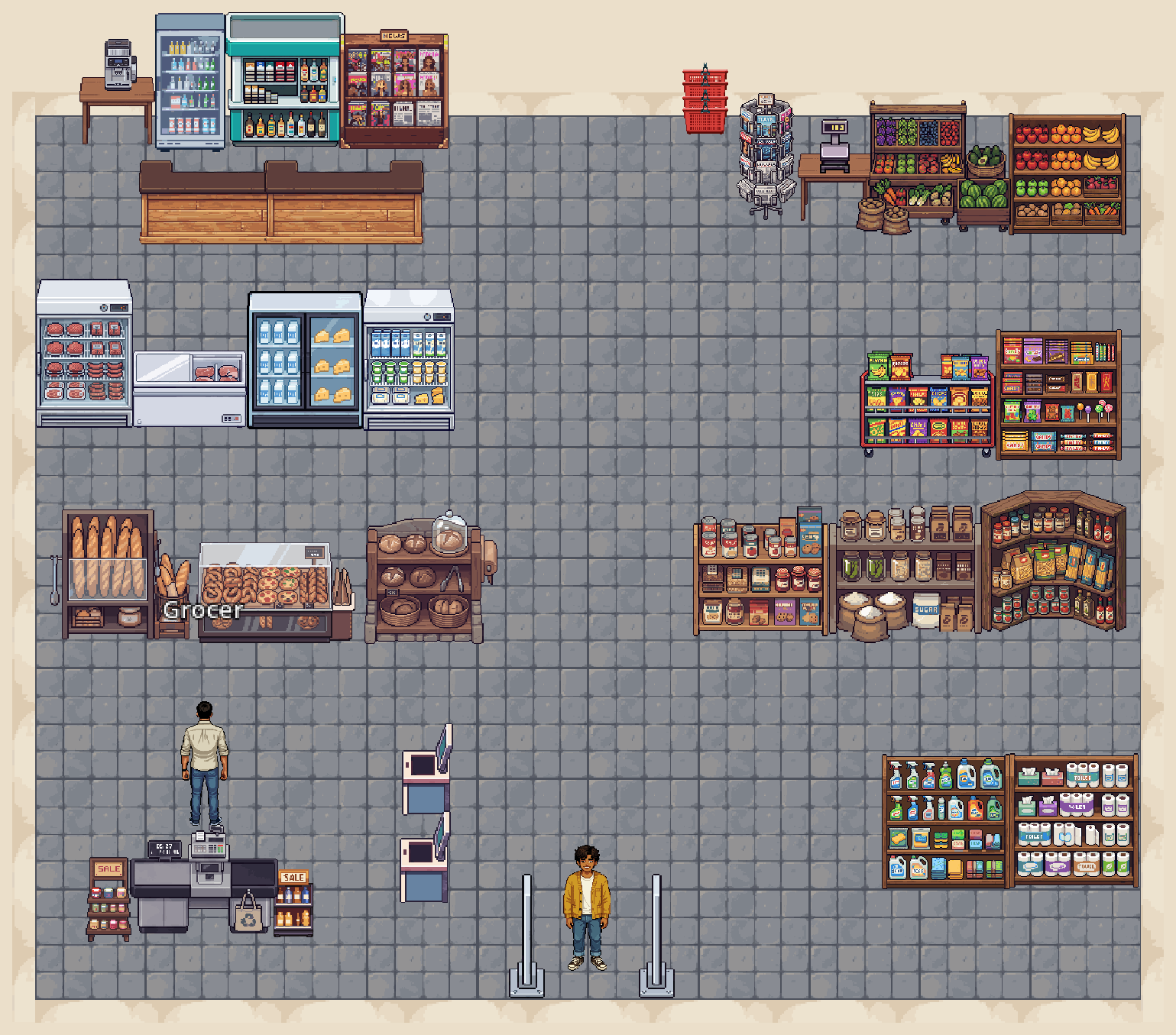
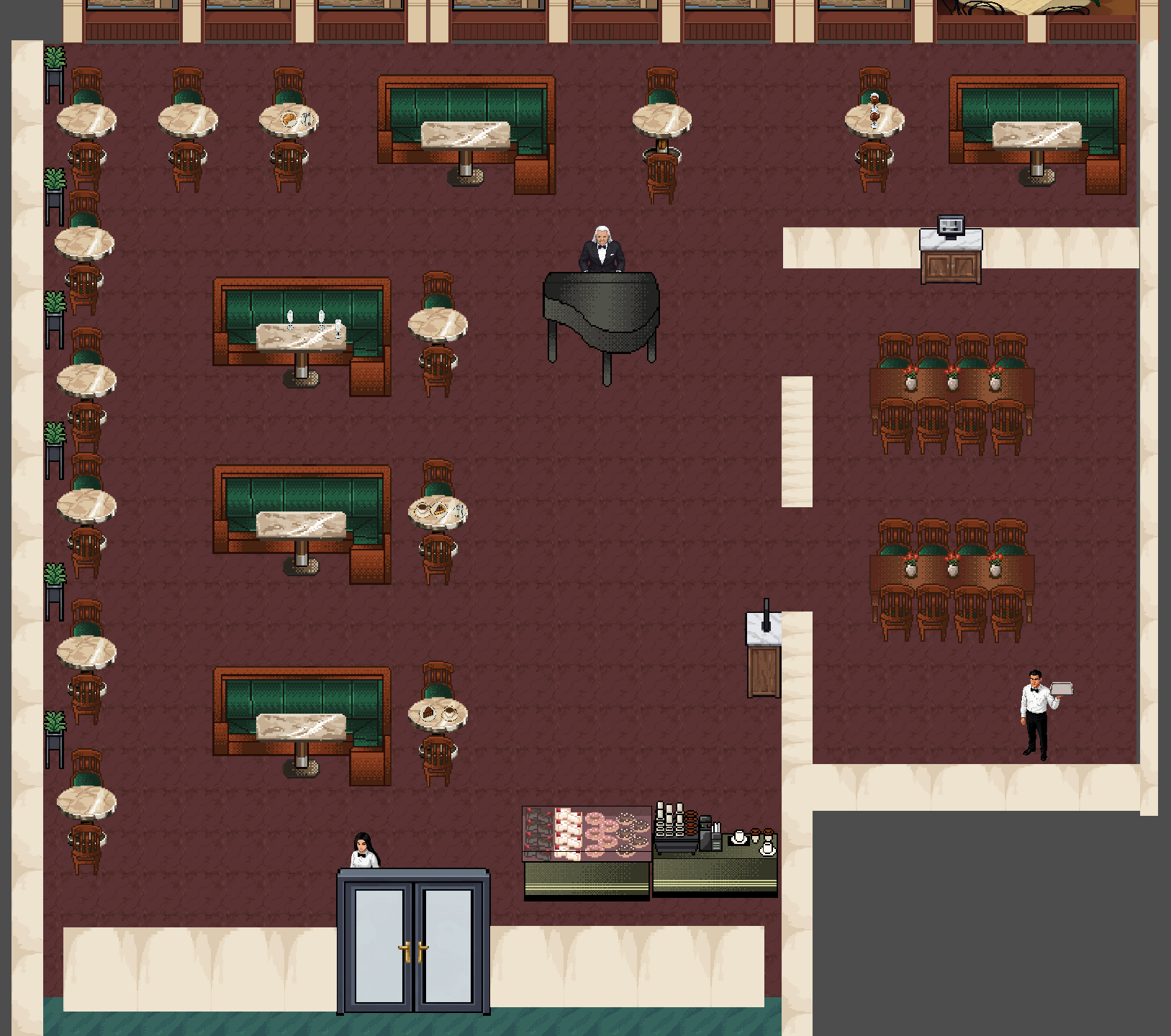
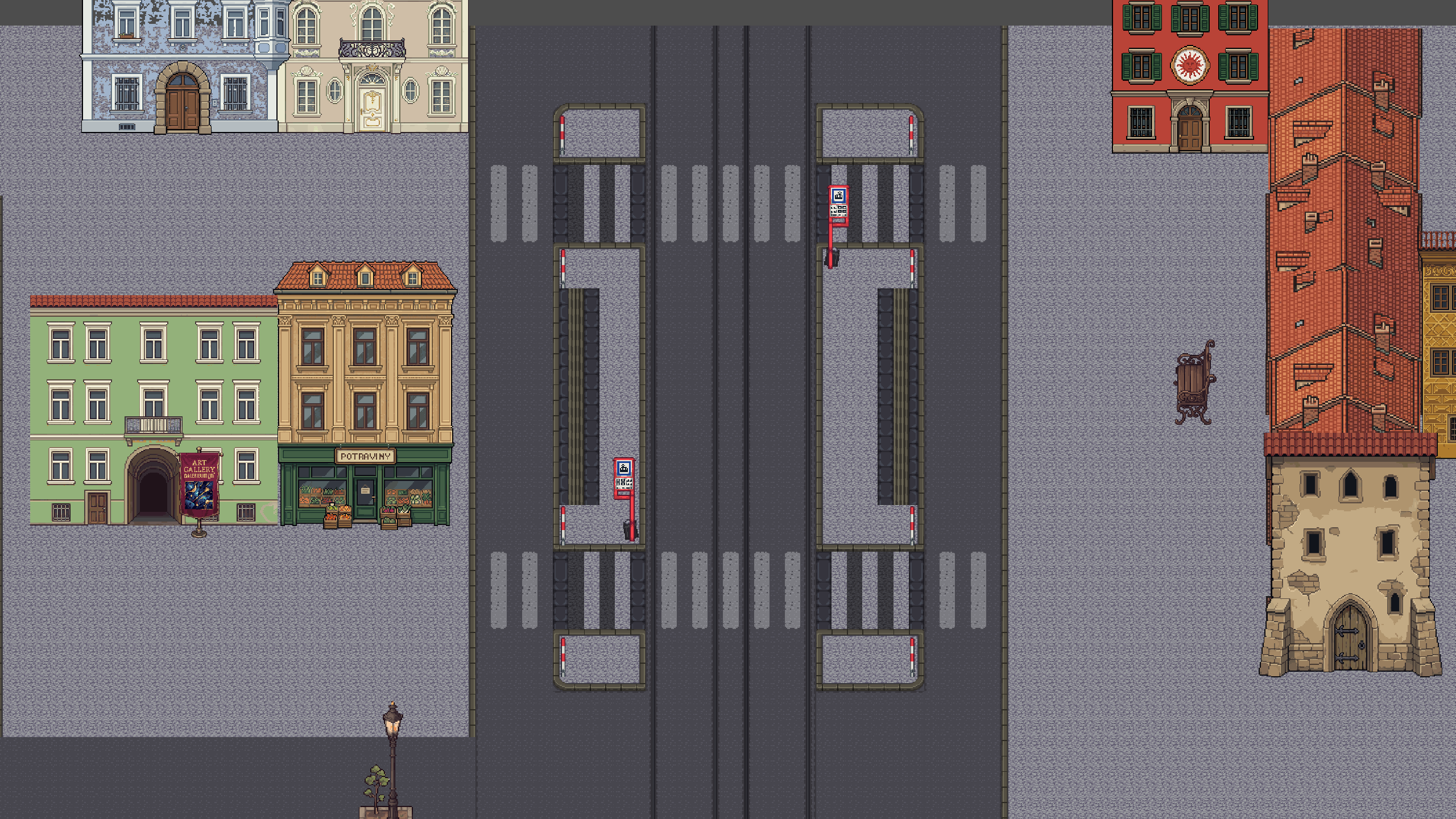
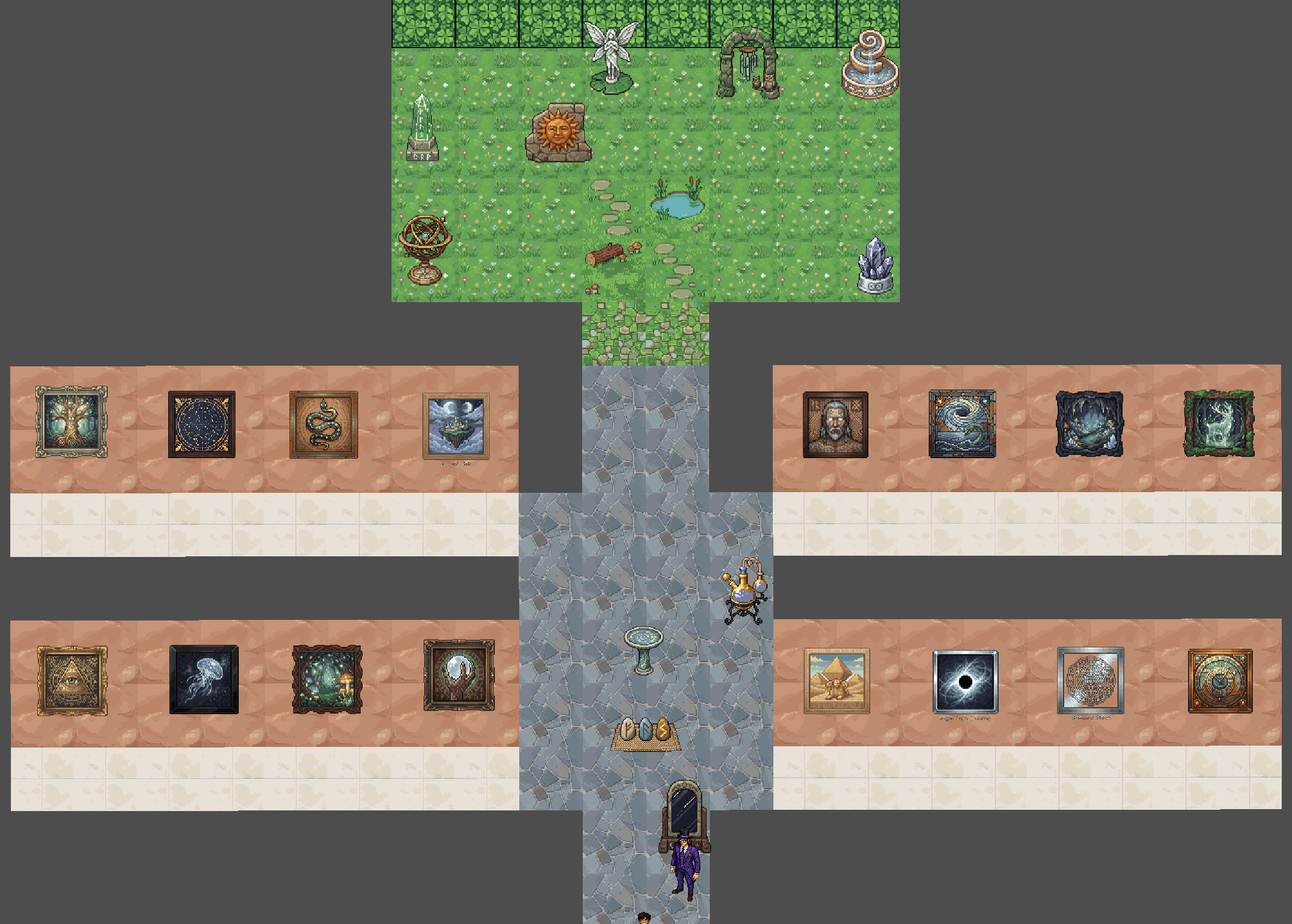
How it teaches
-
Context before lists
A word arrives because you need it — to order, to apologise, to ask where something is. You meet it in the situation that makes it make sense, not on a card in a stack.
-
Mistakes are a scene, not a buzzer
A wrong answer doesn't flash red. It plays out — the other person reacts, the moment continues, and you get another go. You are never shamed for being a beginner.
-
Grammar, when you've earned the question
You'll have said a word the "wrong" way twice before anyone explains why it changed. Then Jan sits you down at a chalkboard and takes ten minutes over it.
-
Things come back
Phrases return across days and streets, in new mouths and new situations, until they stop being phrases you remember and start being things you say.

Who is Amos?
Your teacher. He is Jan Amos Komenský — the Czech educator who argued, four hundred years ago, for teaching all things to all people: that schooling belonged to everyone, when almost nobody else thought so. He also held that you learn a language by meeting the world through it rather than by reciting its rules — which is the whole idea here. When he sees your confusion, he decides to come in and help.
Be there when the journey starts!
We'll only write about Amos, and only when it matters.